Why We Always Go Back: The Pull of the Bars We Swore We Were Done With
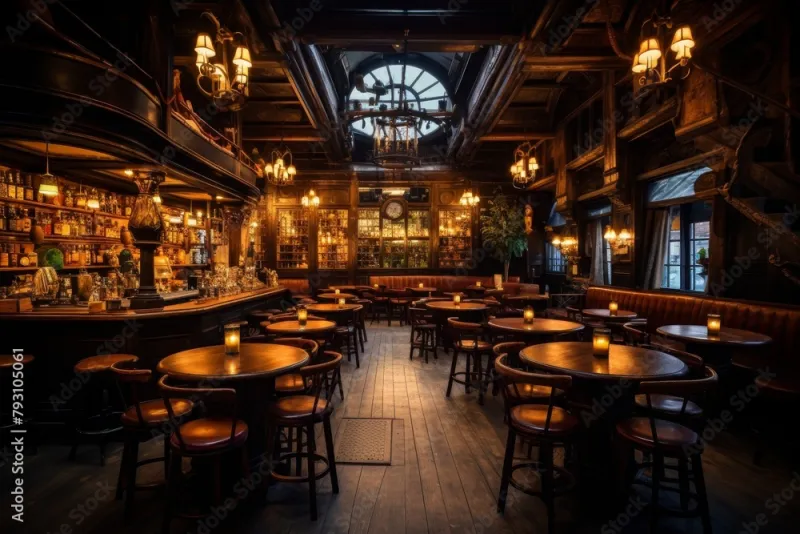
Photo: cozy Canadian bar interior warm lighting patrons returning nostalgic pub, via as1.ftcdn.net
It usually starts with something small. A song comes on shuffle that you haven't heard in years and suddenly you can smell the sticky bar top, feel the particular weight of that heavy pint glass, hear the specific murmur of that crowd. Before you've consciously decided anything, you're texting someone: "Hey, random — want to check out [that place] this weekend?"
And just like that, you're going back.
Across Canada, a quiet but noticeable trend has been reshaping the nightlife landscape: people are returning to the bars and clubs they once abandoned — sometimes after months, sometimes after years — and finding something unexpected waiting for them. Sometimes the place has changed. Sometimes they have. Often, it's both.
The Breakup You Didn't Know You Had
We don't usually announce when we stop going somewhere. There's no formal goodbye, no dramatic last call declaration. You just... stop showing up. Maybe the crowd shifted and you stopped feeling like yourself there. Maybe a bad night left a residue you couldn't shake. Maybe life simply pulled you in a different direction and the bar got left behind like a playlist you used to love.
Dan Kowalski, who owns a mid-sized pub in Ottawa's Centretown neighbourhood, has watched this cycle play out for over a decade. "People disappear for a year, two years, sometimes longer," he says. "And then one day they walk back in like they never left. Half the time they don't even explain it. They just sit down and order their usual."
He's learned not to make a big deal of the return. "If you point it out, they get a little embarrassed. If you just treat them like a regular, they relax. And then they start coming back regularly again."
What Brings People Back
The psychology of revisiting old haunts is more layered than pure nostalgia, though nostalgia is certainly part of it. Researchers who study place attachment — the emotional bonds people form with physical spaces — note that bars and restaurants occupy a unique category because they're social anchors. They hold memories of specific people, specific versions of ourselves, specific feelings we associate with a time in our lives.
When life gets complicated or overwhelming, those anchors start to pull.
"I went back to this bar I used to go to in my mid-twenties," says Priya, a 34-year-old marketing manager from Toronto. "I'd written it off — I thought I'd outgrown it. But I went through a really rough stretch last year and my friend suggested it. The second I walked in, something just... settled. Like I remembered who I was before things got so complicated."
That reset quality — the sense that a familiar place can temporarily suspend the weight of the present — is a powerful draw. It's not about escaping reality so much as accessing a version of yourself that felt more manageable.
When the Bar Has Changed (And So Have You)
Not every return is about recapturing the past. Sometimes people come back because they've heard the place has reinvented itself — new ownership, a renovated space, a revamped menu — and curiosity overrides whatever history made them leave.
Marcelle Tremblay co-owns a bar in Montréal's Mile-Ex neighbourhood that went through a significant overhaul two years ago. She says the renovation brought back a wave of former regulars who had drifted away during the venue's rougher years.
"Some of them were almost sheepish about it," she laughs. "Like they felt they had to apologize for leaving. I always tell them — you came back, that's what matters. The bar changed because we wanted it to be worth coming back to."
The interesting thing, Marcelle notes, is that the returning customers often become the most loyal ones. "They appreciate what's different. They have something to compare it to. And they're almost proud of themselves for giving it another shot."
The Redemption Arc Is Real
In storytelling, we love a comeback. The character who falls, learns, and returns transformed. Bars — and our relationships with them — follow a surprisingly similar arc.
A venue that was once too loud, too crowded, too expensive, or too something can become exactly right when circumstances shift. Maybe you're at a different life stage. Maybe you're with different people. Maybe it's a different season and the patio you never noticed is suddenly the best seat in the city.
Jordan, a 29-year-old in Vancouver, describes returning to a club he'd dismissed in his early twenties. "I went because my friend was DJing and I didn't want to let him down. I'd genuinely hated the place before — it felt pretentious and the music wasn't my thing. But something was different this time. Maybe I was different. I ended up staying until close and I've been back three times since."
This is the redemption arc in action: a second chance that neither party fully expected, resulting in something better than the original.
How Bars Are Leaning Into It
Savvy venue owners have started recognizing the value of the returning patron and quietly building strategies around them. Loyalty programs that reactivate with a single visit. Social media content that leans into nostalgia — throwback photos, anniversary posts, shoutouts to "the ones who've been here since the beginning."
Some bars in Toronto and Calgary have experimented with "reunion nights" — not quite themed events, but evenings with playlists and specials designed to evoke a specific era of the venue's history. The results have been striking: rooms full of people who haven't seen each other in years, united by a shared memory of a place.
"It's not cynical," insists one Toronto bar manager who asked not to be named. "We genuinely love seeing people come back. When someone returns after years away and says 'this place still has it' — that's the best review we'll ever get."
The Lesson in the Return
There's something quietly Canadian about the way we re-approach the places we've left. We don't make a fuss. We don't post about it. We just show up, settle in, and give it another shot — because we're generally willing to believe that things, and people, can surprise us.
The bar you swore off might be exactly what you need right now. The crowd might be different. The menu definitely changed. But the particular quality of light through those windows, the way the room sounds when it fills up, the specific comfort of a familiar stool — some things hold.
And sometimes, that's enough to make it yours again.