The Regular Is Royalty: How Canadian Bars Are Ditching Weekend Hype for the People Who Show Up Every Tuesday
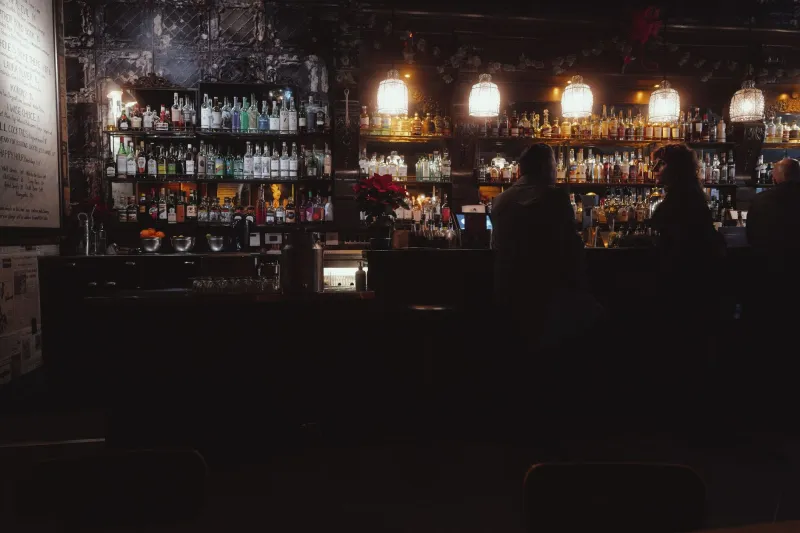
There's a barstool at a small neighbourhood spot in Kensington Market — worn down at the edges, slightly wobbly on the left leg — that has a person in it almost every Thursday night. Same person. Same order. Same easy back-and-forth with the bartender about whatever's happening in the city that week. The owner knows their name. The bartender already has their drink started before they sit down.
This is not a loyalty program. There's no app, no points, no stamp card. It's something older and, honestly, a lot more interesting: it's a regular.
And across Canada right now, independent bar owners are waking up to the fact that this kind of patron — quiet, consistent, unglamorous — might actually be the most valuable person in the room.
Weekend Warriors vs. The People Who Keep the Lights On
For years, the weekend was the brass ring. Friday and Saturday nights were where the money was, where the energy was, where you built your reputation. Pack the room, move the bottles, repeat. But a growing number of bar owners are starting to question whether chasing that crowd is actually worth it.
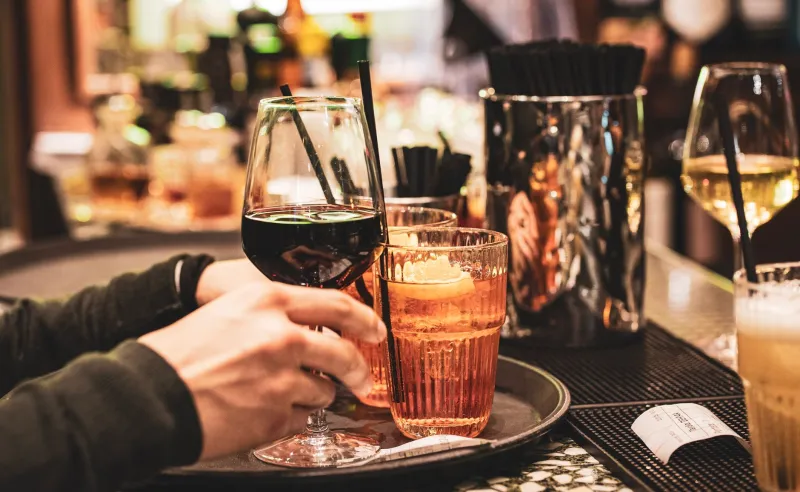
"Weekends are chaotic," says Marcus Tieu, who co-owns a cocktail bar in Montreal's Mile End neighbourhood. "You're staffing up, you're dealing with high turnover, people who've never been in before and probably won't come back. It's loud, it's stressful, and your margins aren't necessarily better because your costs go up too."
Marcus started paying closer attention to his midweek numbers about two years ago and noticed something that surprised him. His Tuesday and Wednesday regulars — a smaller, steadier crowd — were actually spending more per visit on average, tipping better, and creating an atmosphere that made other people want to come in.
"There's something about a room that feels lived-in," he says. "When someone walks past and sees a group of people genuinely relaxed and having a good time, that's more appealing than a packed Saturday where everyone's just trying to get a drink."
The Economics of Showing Up
It turns out regulars are genuinely good for business in ways that don't always show up on a Friday night sales report.
For starters, they're predictable — and in the bar industry, predictability is gold. Knowing that a certain number of covers are coming in on a slow night means you can staff appropriately, prep accurately, and avoid waste. Independent bars in Canada operate on notoriously thin margins, and the difference between a profitable week and a rough one often comes down to a handful of consistent customers.
Then there's the word-of-mouth factor. Regulars talk. They bring friends. They post — not the performative, one-time "look where I am" content, but the kind of genuine enthusiasm that actually converts.
Jessica Okafor, a bartender at a craft beer bar in Ottawa's Hintonburg neighbourhood, puts it plainly: "My regulars have probably brought in more new customers than any promo we've ever run. They're proud of the place. They want to show it off."
She's also noticed that regulars create a kind of social gravity. "When the room has people in it who are comfortable and connected, strangers feel it. They relax. They stay longer. It changes the whole vibe."
Building a Bar Culture That Means Something
There's a cultural shift happening here too, and it goes beyond dollars and cents.
A lot of Canadian bar owners who came up through the pandemic — or who opened in its aftermath — are consciously trying to build something that functions more like a community hub than a transaction machine. The old model of chasing trends, rotating concepts, and optimising for Instagram reach is losing its appeal for both owners and patrons.
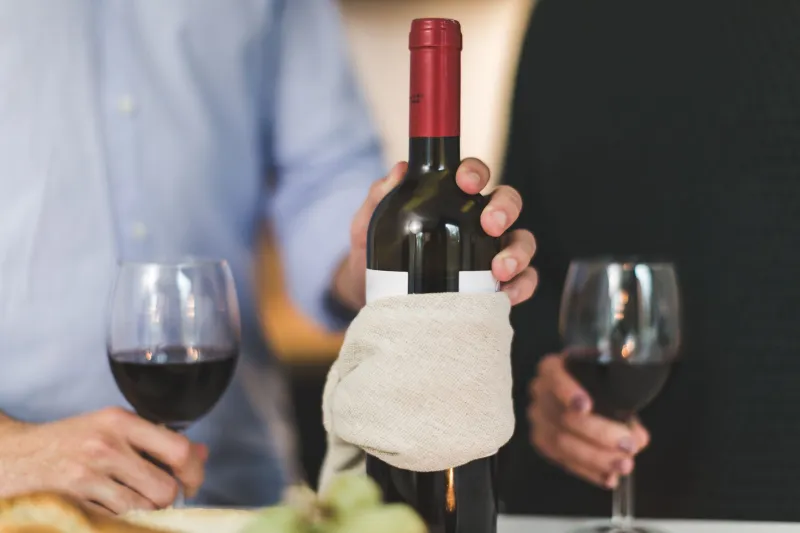
"I got into this because I love hospitality," says Diane Cloutier, who runs a wine bar in Quebec City's Saint-Roch district. "I wanted to know people's names. I wanted to be part of someone's week, not just their Saturday night out. That's what keeps me going."
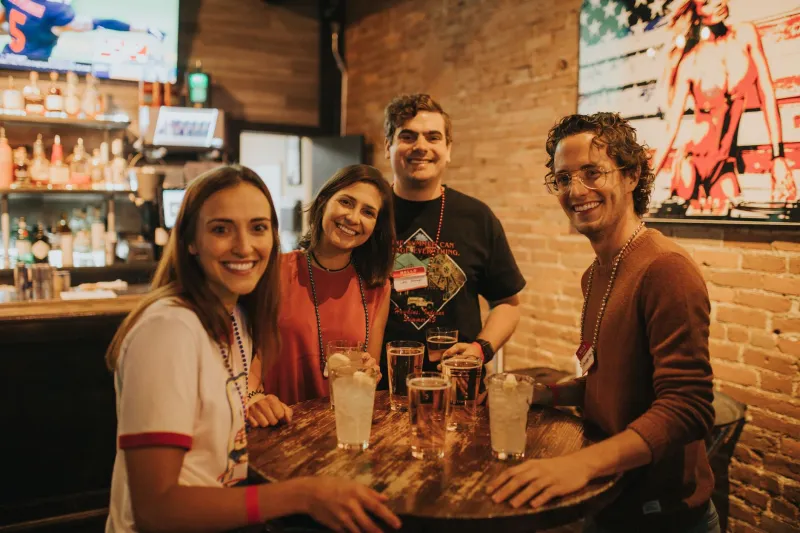
Diane has deliberately kept her bar small — 30 seats — and resisted pressure to expand or franchise. Her regulars include everyone from university professors to construction workers to a rotating cast of local musicians. On a Tuesday, the conversation might range from city politics to natural wine to whatever's playing at the theatre down the street.
"It's a real place," she says. "People feel ownership over it. And that's not something you can manufacture."
What Regulars Actually Get Out of It
Ask anyone who's become a true regular somewhere and they'll tell you it's not really about the drinks.
Toronto-based graphic designer Priya Nair has been going to the same bar in Roncesvalles every other Wednesday for three years. "It's my decompression spot," she says. "I know I'm going to walk in, see familiar faces, not have to explain myself or perform. I can just be there."
She acknowledges that sounds simple, maybe even a little boring. But she argues there's something genuinely rare about it. "We're all so overstimulated. Finding a place where you're known — where you don't have to try — that's actually kind of hard to come by."
For others, the weekday regular scene has become an unexpected social lifeline, especially in a post-pandemic world where a lot of people are still rebuilding their social lives. It's low-pressure, low-stakes, and surprisingly easy to maintain.
"I've made actual friends there," says Vancouver-based writer Devon Marsh, who became a regular at a neighbourhood bar in East Van after moving to the city alone. "Not bar acquaintances. Real friends. People I see outside of that context now."
The New Measure of a Good Night Out
The bars leaning into this philosophy aren't necessarily doing anything revolutionary. They're not launching loyalty apps or midweek event series or elaborate theme nights. Mostly, they're just paying attention — remembering orders, holding space for conversation, making people feel like showing up matters.
And quietly, it's working.
For Canadian bar-goers who are tired of expensive, anonymous weekend experiences — the $22 cocktails, the 45-minute waits, the shouted conversations — the appeal of having a place that's genuinely yours is hard to overstate.
The weekday regular isn't a relic of some simpler time. They might actually be the future of what a great night out looks like in this country: less spectacle, more substance, and a barstool that's always a little bit yours.
So next time you're debating whether to brave the weekend lineup or just slip out on a Tuesday — maybe give Tuesday a shot. The wobbly barstool might be waiting.