Here Tonight, Gone Tomorrow: Why Canada's Pop-Up Bar Scene Is the Most Exciting Thing Happening After Dark
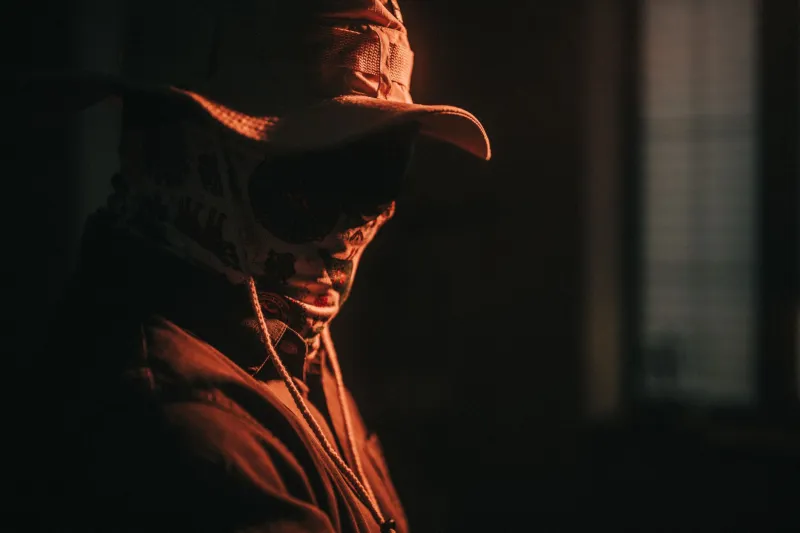
The address came via DM at 4 p.m. on a Saturday. A warehouse in east Toronto, third floor, bring cash, look for the yellow light. No name. No menu preview. Just a time and an instruction to knock twice.
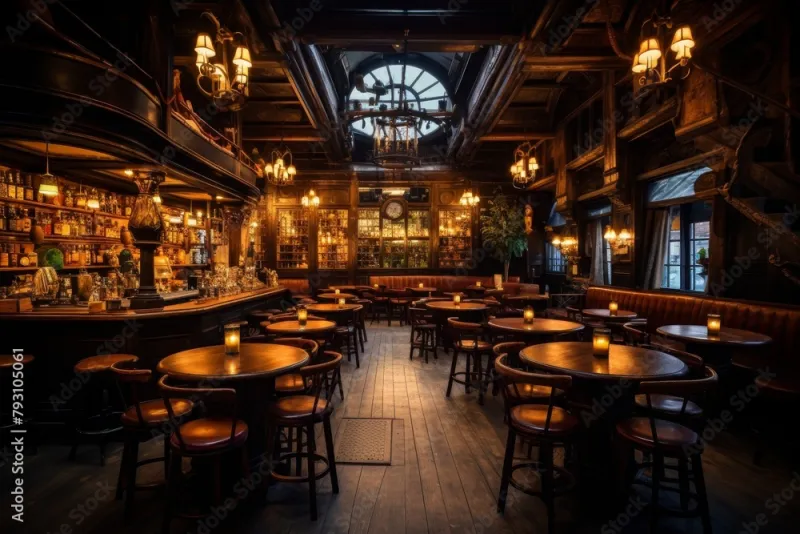
What waited on the other side of that door was a fully realized tiki bar — palm fronds, vintage glassware, a bartender who'd flown in from Vancouver specifically for the weekend — operating out of a raw industrial space that would be back to storing furniture by Monday morning.
This is Canada's pop-up bar scene. It doesn't advertise. It doesn't last. And right now, it might be the most interesting thing happening in nightlife from coast to coast.
The Appeal of the Unmapped
We live in an era of total information saturation. Every bar in every city has a Google rating, a curated Instagram grid, a Yelp thread where someone complained about the lighting. Before you've walked through the door, you've already formed an opinion based on 47 photos taken by strangers.
Pop-up venues are the antidote to all of that.
By design, they exist outside the information ecosystem. There's no review to read because the venue didn't exist last week. There's no "what to order" guide because the menu was written yesterday. The experience you're about to have is, genuinely, unknown — and that unknowing is the entire point.
"People are craving something that hasn't been pre-digested for them," says Olivier Beaumont, a Montreal-based events producer who has organized more than a dozen pop-up experiences over the past three years, ranging from a single-night absinthe bar in a heritage building to a rooftop cocktail event that was announced twelve hours before it happened. "The element of discovery is the product. The surprise is what you're paying for."
How the Scene Actually Works in Canada
Canada's pop-up nightlife culture is concentrated in its largest cities but not limited to them. Toronto, Montreal, and Vancouver have established underground circuits — loose networks of hospitality professionals, event producers, and enthusiastic civilians who pass information through private Instagram accounts, Discord servers, and old-fashioned word of mouth.
In Calgary, a small but dedicated community of bartenders has been running invitation-only tasting events out of private spaces for the better part of five years. Halifax has seen a surge in what locals call "supper clubs" — dinner-and-drinks experiences in unusual locations that blend the energy of a restaurant opening with the intimacy of a dinner party.
The legal landscape is complicated, and producers navigate it carefully. Many pop-up events operate as private membership gatherings rather than public bars, which sidesteps certain licensing requirements. Others partner with existing licensed venues — using their permits while transforming the space entirely. The grey areas are real, and the most experienced producers know exactly where the lines are.
The Social Currency of Being There
There's an honesty worth acknowledging here: part of what makes these experiences valuable is their exclusivity. Knowing about a pop-up before it happens — and actually getting in — carries a certain social weight that a reservation at a well-known restaurant simply doesn't.
But it's more nuanced than mere status-seeking. The exclusivity serves a functional purpose. A venue that holds 60 people, operating for one night only, creates a density of shared experience that a 300-seat club simply cannot replicate. Everyone in the room went through some version of the same process to get there. That common thread becomes an instant social lubricant.
"I've met people at pop-ups who became real friends," says Simone Arcand, a 31-year-old architect from Montreal who attends several underground events each year. "There's a self-selection happening. The people who find out about these things and actually show up tend to be curious, adventurous people. You're not just in the same room by accident."
How to Find Your Way In Without Connections
The most common misconception about Canada's pop-up scene is that it's impenetrable — that you need to know someone who knows someone before you can access it. This is less true than it used to be.
Follow the bartenders. The hospitality professionals behind these events are often more accessible than you'd think. Following working bartenders, sommeliers, and chefs on Instagram — particularly those at independent, forward-thinking venues — puts you in proximity to announcements when they happen.
Join the right communities. Subreddit communities for nightlife in Canadian cities, local food-and-drink Discord servers, and neighbourhood Facebook groups are all legitimate channels where pop-up information surfaces. It's unglamorous, but it works.
Become a regular somewhere interesting. This is the oldest and most reliable method. The bar staff at a cocktail-forward independent venue almost certainly knows what's happening in the underground scene. Be a good customer, show genuine interest, and eventually someone will mention something.
Buy tickets early and without hesitation. When you do find out about an event, move fast. These things sell out — often within hours — and the waiting list culture is real. Hesitation is how you miss it.
What It Says About Us
The hunger for pop-up experiences isn't really about bars. It's about reclaiming a sense of genuine discovery in a cultural moment that has made everything predictable, reviewable, and optimized.
We want to be surprised. We want to be somewhere that won't exist tomorrow. We want a story that can't be recreated by following a link.
There's something almost countercultural about that impulse — the idea that the best night out might be the one that leaves no permanent trace, that the value of an experience isn't measured by its Instagrammability but by how it felt to be in the room.
Canada's pop-up scene, at its best, offers exactly that: a night that belongs entirely to the people who showed up for it. No algorithm will surface it later. No review will tell you how to feel about it.
It happened. You were there. That's the whole thing.
And next weekend, somewhere in a city near you, it'll happen again — in a different space, under a different concept, with a different password — for a completely different group of people lucky enough to find out in time.