Spend Smart, Party Hard: The Rise of the Strategic Pre-Game in Canada
Let's be honest: going out in Canada isn't cheap. A round of cocktails in downtown Toronto can run you $80 before you've even found a seat. In Vancouver, cover charges alone can eat a $40 bill. Montreal, for all its legendary nightlife cred, isn't exactly handing out free drinks either. So what's a fun-loving millennial supposed to do when the cost of living is sky-high and the desire to actually live hasn't dimmed one bit?
They pre-game. But not the way you're thinking.
Forget the frantic shots-before-Uber era of early twenties chaos. The pre-game has grown up. It's strategic now. Intentional. And frankly, it's become one of the more interesting social phenomena happening in Canadian nightlife right now.
The Home Bar Glow-Up
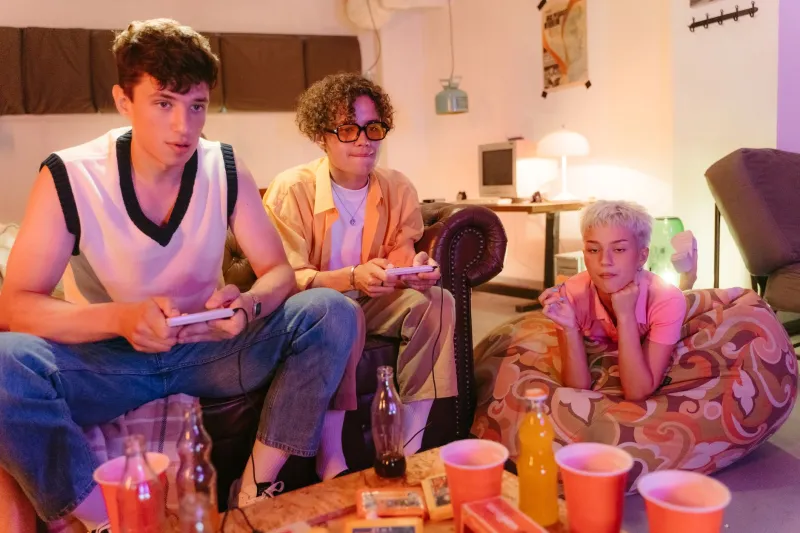
Walk into the apartment of the average Canadian millennial who goes out regularly, and there's a solid chance you'll find a well-stocked home bar that would embarrass a mid-tier lounge. We're talking quality rye whisky, a couple of interesting amaro bottles, fresh citrus, and yes — a cocktail shaker that actually gets used.
"My friends and I started treating the pre-drink like the first act of the night," says Danielle, a 31-year-old marketing coordinator in Calgary. "We theme it sometimes. If we're going to a Latin dance night, we're making caipirinhas at home first. It sets the tone and honestly? It's become the part of the night we talk about the most."
This isn't just anecdotal. The shift toward intentional home entertaining before heading out has been building quietly across Canadian cities. People are investing in quality spirits, learning basic cocktail technique from YouTube, and treating the pre-game hour or two as a genuine social experience rather than just a budget-cutting measure.
The financial logic is undeniable. A bottle of decent gin runs $35–$45 at most provincial liquor stores and makes roughly 15–20 drinks. That same gin, poured into a gin and tonic at a downtown bar, costs $14 to $18 a glass. The math does the talking.
Timing Is Everything (Seriously)
Beyond the home bar hustle, savvy night-goers have become almost surgical about when they arrive at venues. This is where the real money gets saved — or wasted.
Marcus, a bartender at a busy cocktail bar in Ottawa's ByWard Market, has watched the shift happen in real time. "The people who really know how to do a night out? They come in during happy hour, have two or three well-priced drinks, eat something off the late-night menu, and then they're in the right headspace for the rest of the evening without spending a fortune," he says. "They're not drunk, they're not broke, and they're having the best time in the room."
Happy hour culture in Canada has quietly become more sophisticated. Bars that used to offer limp well-drink specials are now competing with legitimately good discounted cocktail menus to draw the after-work crowd. In cities like Halifax and Edmonton, some spots run extended happy hours until 8 or 9 p.m. — which aligns perfectly with the millennial pre-game timeline of starting the night out proper around 10.
The strategy: pre-drink at home from 7 to 9, hit the tail end of happy hour, then transition into full-price territory once you're already having a great time and don't need as much to maintain the vibe.
The Promoter's Perspective
Event promoters have noticed this shift too, and the smarter ones are adapting rather than fighting it.
"Early bird pricing, pre-sale tickets, guest list spots — these are things we've always done, but now people are actually using them," says Jerome, who promotes club nights in Montreal. "Five years ago, I'd sell 200 pre-sale tickets and then 400 at the door. Now it's flipped. People are researching, planning, buying in advance. They want the experience, but they're not willing to get gouged for it."
This has pushed promoters to front-load value into the early parts of the night — open bars for the first hour, discounted admission before 11, exclusive perks for pre-sale buyers. It's created a weird but functional symbiosis: venues get guaranteed numbers and earlier revenue, and guests get genuine value if they're willing to do a little homework.
For the uninitiated, this means the guest list is no longer just for industry insiders. Most clubs and event spaces in major Canadian cities have publicly accessible guest lists through their websites or Instagram bios. Signing up takes two minutes and can save you $20 at the door. That's a drink, right there.
The Group Economics of a Night Out
One of the less-discussed but genuinely clever moves in the pre-game economy is collective purchasing. Friend groups have started pooling resources in ways that would've felt weirdly formal a decade ago — but now just feel practical.
Shared Uber accounts, group tabs with a designated "treasurer" for the evening, splitting a bottle at a club instead of buying individual drinks — these aren't signs of being cheap. They're signs of a generation that watched their parents' financial stability evaporate and decided they weren't going to sacrifice fun, just inefficiency.
"We do a kitty for the night," explains Priya, 29, who goes out regularly in Toronto's west end with a tight friend group. "Everyone throws in $60 at the start of the night. It covers the Uber, maybe a snack run, and the first round. After that, we split off and do our own thing, but those first couple hours? Zero stress about money."
The communal approach also extends to the pre-game itself. Potluck-style drink nights, where everyone brings a bottle or ingredient, have become a legitimate social event in their own right — not just a warm-up act.
Quality Over Quantity, Always
Perhaps the most telling part of this whole cultural shift is what it says about Canadian millennials' relationship with going out. The goal was never to get as drunk as possible as cheaply as possible. The goal is a genuinely good night — interesting conversations, a great atmosphere, maybe some dancing, definitely some laughs.
The pre-game economy isn't about cutting corners. It's about redirecting resources toward the parts of the night that actually matter. Spend less on overpriced rail drinks at a crowded bar, spend more on that one really good cocktail you've been curious about. Skip the $30 cover at a venue you're not sure about, save it for the spot your friend swears by.
Canadian nightlife is still alive, still loud, and still worth showing up for. The people who are doing it best right now are just showing up smarter.
And they're having a better time for it.