Ditch the Business Cards: How Canadians Are Turning Nights Out Into Legit Networking Gold
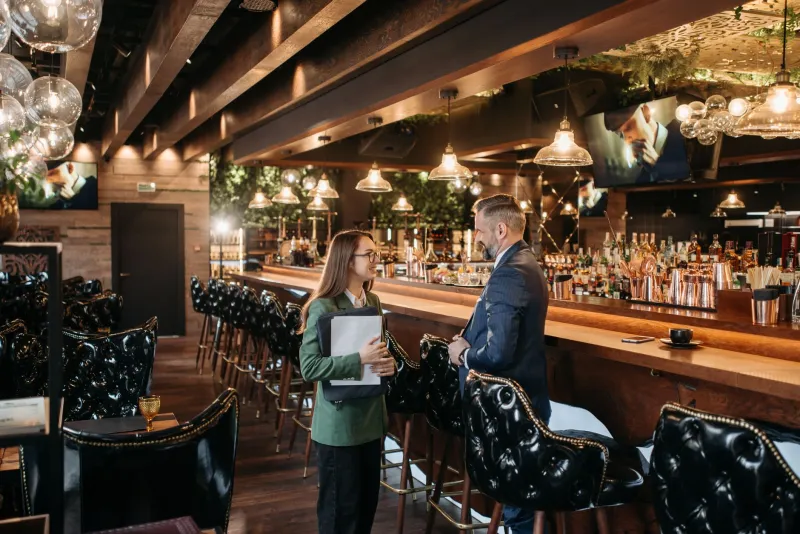
Let's be honest — the word "networking" makes most people want to fake a phone call and disappear. It conjures images of lukewarm white wine, name tags that peel off after twenty minutes, and someone aggressively sliding a LinkedIn QR code across a cocktail napkin before you've even introduced yourself.
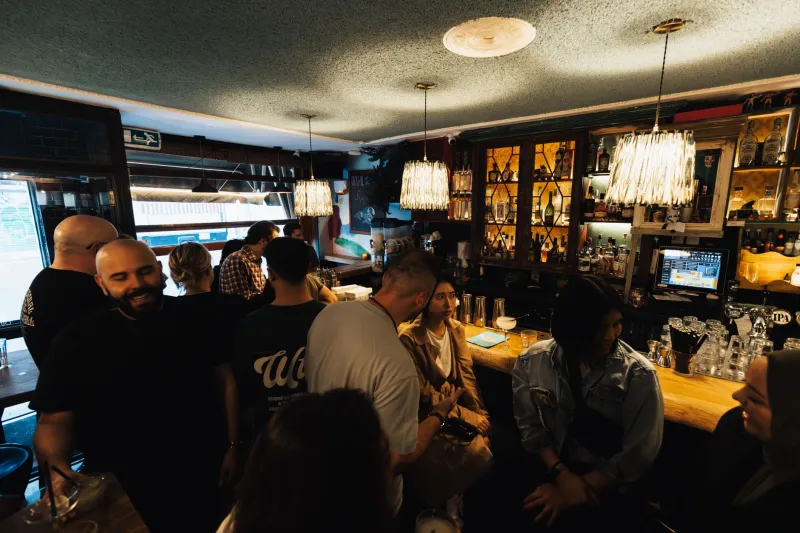
But something genuinely interesting is happening across Canada's nightlife scene. Professionals, freelancers, and entrepreneurs are quietly ditching the formal networking circuit and replacing it with something that actually works: meeting people in bars, lounges, and social venues the same way humans have been building relationships for centuries — over good drinks and zero agenda.
Why the Formal Networking Event Is Losing Its Grip
There's a reason attendance at traditional networking mixers has been sliding for years. People are exhausted by transactional socializing. You can feel it the moment someone at a chamber of commerce event asks what you do before they ask your name. It's not connection — it's prospecting.
Montreal-based brand strategist Camille Tremblay puts it plainly: "I stopped going to industry events two years ago and started just... going out. I've met more useful contacts — and actual friends — at a wine bar on Saint-Laurent than I ever did at a ticketed mixer with a LinkedIn sponsor."
She's not alone. Across Vancouver, Calgary, Toronto, and Halifax, a growing number of professionals are treating their regular nights out as low-pressure opportunities to expand their circles. The key difference? Nobody's there just to network. And somehow, that makes all the difference.
The Venues That Actually Set the Stage
Not every bar is created equal when it comes to organic professional mingling. Loud nightclubs with wall-to-wall bass drops are great for dancing — less great for hearing someone explain what they do in venture capital. The sweet spot tends to be venues with a certain energy: lively enough to feel social, calm enough to hold a real conversation.
In Toronto, spots like Bar Raval on College Street and the lounge level at BarChef attract a creative-professional crowd where conversations flow naturally between strangers. The intimate bar seating at both places practically forces proximity, and the serious cocktail menus give you an immediate, neutral talking point.
Vancouver has long had a strong culture of after-work socializing, and places like The Keefer Bar in Chinatown or the rooftop at Reflections tend to draw a mix of tech workers, designers, and media types who are used to bumping into people they half-know. It's a city where "we should grab a drink" actually happens.
In Calgary, the energy around 17th Avenue SW — particularly at spots like Proof or Bridgette Bar — has produced what regulars describe as a surprisingly tight professional social scene. The oil-and-gas crowd mingles with startup founders in a way that feels genuinely Calgarian: unpretentious and direct.
Montreal's nightlife culture is almost built for this kind of thing. The city's long evenings and café-bar hybrids mean conversations stretch naturally, and the bilingual social scene creates a kind of built-in icebreaker — language becomes a connector rather than a barrier.
How to Actually Start a Conversation (Without Being Weird About It)
Here's the part everyone wants to skip to, and it's simpler than most networking gurus would have you believe.
Lead with curiosity, not credentials. The fastest way to kill a promising conversation is to open with your job title. Instead, comment on something real and present — the drink someone ordered, the music, the fact that the bartender just made a show of torching an orange peel. You're in a social space. Act social.
Ask genuine questions. Not "what do you do?" — at least not right away. Try "are you from here originally?" or "do you come here often?" (yes, it works, stop laughing). People love talking about their city, their neighbourhood, how they found a particular spot. Professional details emerge naturally from there.
Don't be in a rush to make it useful. The professionals who are best at this kind of organic networking share one trait: they're not trying to extract value from every conversation. Edmonton-based tech entrepreneur Marcus Osei describes his approach as "just being genuinely interested in whoever I'm talking to. Sometimes it turns into a business thing six months later. Sometimes it doesn't. Either way, I had a good night."
Know when to let it breathe. If someone's clearly on a date or deep in a conversation with their own group, read the room. The best networkers are also the best at knowing when not to approach. That social awareness is actually what makes people want to talk to you when the moment is right.
The Follow-Up: Where Most People Drop the Ball
So you had a great conversation at a bar in Ottawa with someone who works in exactly your industry and might know exactly the right person. Now what?
The follow-up is where organic connections either solidify or dissolve. The mistake most people make is waiting too long — or making the follow-up feel formal after a casual encounter.
A simple Instagram follow or LinkedIn connection the next morning with a short, specific message keeps it warm without being intense. Reference something specific from your conversation so they know you were actually listening. "Great talking last night — I looked up that documentary you mentioned and you were completely right" goes a lot further than "Great to connect! Let's find synergies."
Please. Never say synergies.
The Unspoken Rule of the Scene
There's an etiquette to all of this that Canadians tend to navigate pretty naturally, actually. We're not known for being aggressive or overly forward, and in this context, that cultural trait is genuinely an asset. The unspoken rule is simple: be a person first, a professional second.
People can tell when they're being schmoozed. They can also tell when someone is just genuinely enjoying their company. The latter is what turns a Tuesday night out into a contact who emails you about an opportunity six weeks later, or a collaborator you wouldn't have found on any job board.
Your night out was always more than just the drinks. Turns out, it might also be where your next big thing starts.